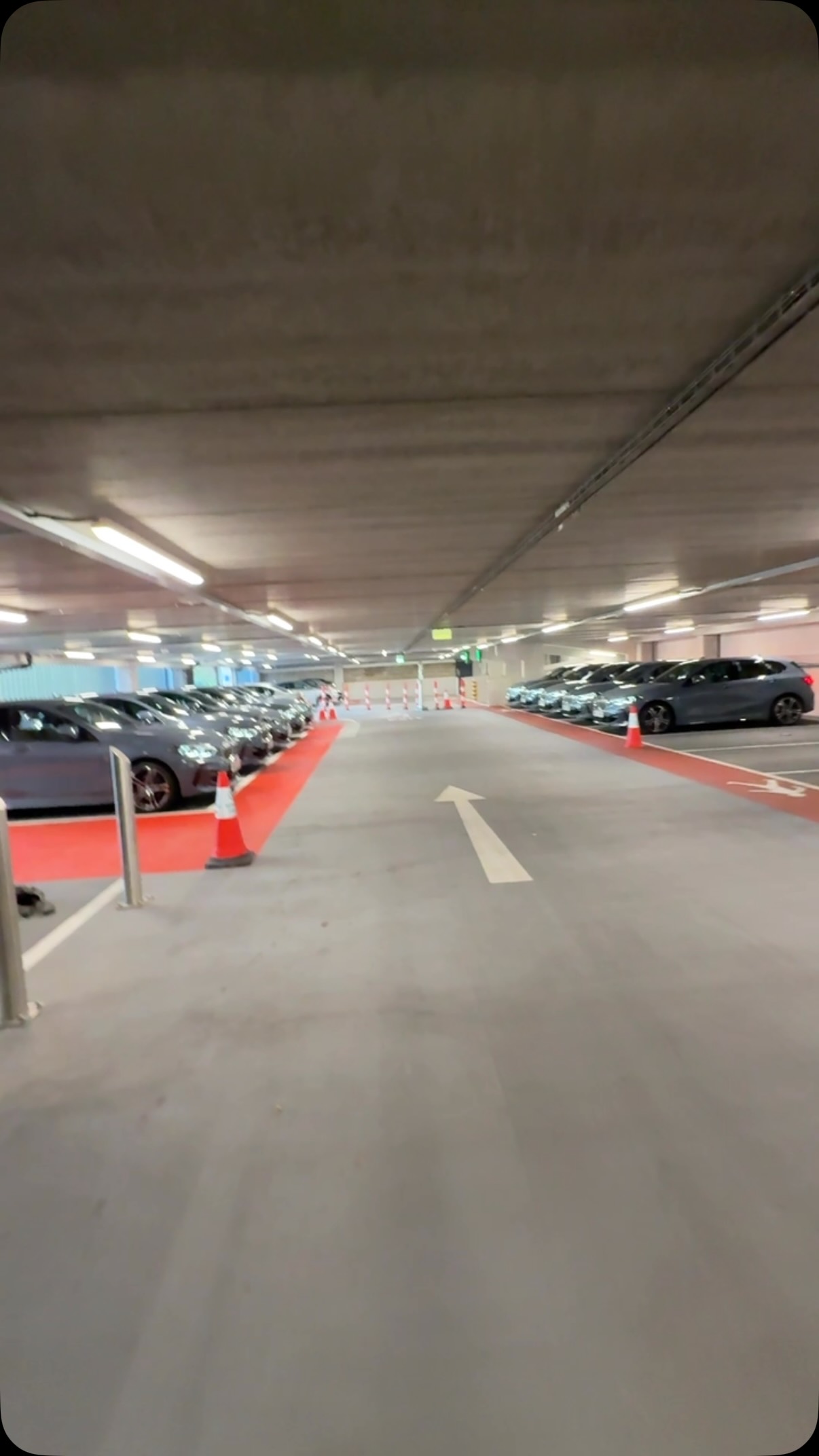
A driver who takes pride in their car brakes earlier, reports faults sooner, and is far less likely to leave — and the cheapest way to build that pride is a clean car waiting in the space where they already park it. For a fleet manager defending a budget rather than shopping for a service, cleanliness is the retention lever that costs the least and shows up every single morning.
What actually keeps a driver behind the wheel
A pay rise is expensive and the glow fades within a couple of months. A newer car on the list helps for the first quarter, then it becomes the new normal. But a driver’s relationship with their car is daily, physical and personal: it’s where they sit for thousands of hours a year, and it’s the first thing they see when they start a shift.
The retention levers a fleet manager actually holds, ranked by cost per driver:
- A pay rise — expensive, and the effect wears off
- A newer car on the list — expensive once, then it’s the baseline
- A clean car, every visit — cheap, and it renews itself weekly
A clean car is a signal of respect. It tells the driver the company cares about the detail — the same detail it asks of them on every job. When that signal stops, it isn’t only the paint that dulls. The driver starts treating the car the way the company appears to, and the slow drift toward “it’s not my car” begins. That drift is where careless dents, ignored warnings and handback recharges come from.
The hidden cost of a dirty car: Brand Reputation Control
Every company car with a logo on the door is a moving billboard, and every mile it travels is an impression your brand makes on someone. A clean, well-kept car says the operation is tight. A car that looks like it’s been through a hedge says something else entirely — and it says it to your clients, your prospects, and the driver who has to hand the keys over.
Brand Reputation Control runs in both directions. Outward, the car is your brand on wheels. Inward, it’s a daily message to the person driving it: a driver handed a clean car treats it with care, and a driver handed a neglected one returns the favour. Neither reaction shows up as a line item, but both show up in the condition report at the end of the lease.
The BVRLA Fair Wear and Tear framework gives both sides a consistent language for what “reasonable” means when the car goes back. Regular cleaning and a documented condition record are the difference between a clean handback and a surprise recharge at the end of the term.
Downtime: the quiet tax on every clean
The traditional way to clean a fleet car is to send it somewhere. That sounds simple until you count what actually happens: the driver waits, the car leaves the site, and the vehicle is off the road for as long as the queue takes.
On-site service removes all three. The car stays where it’s parked, the driver never waits, and there’s no off-site movement to insure, schedule or track. This is Downtime Reduction, and it’s the pillar that turns cleaning from a chore into zero lost hours.
| Off-site cleaning | On-site fleet plan | |
|---|---|---|
| Driver time | Waiting in a queue | Zero — cleaned where it’s parked |
| Vehicle movement | Driven off-site, fuel and risk | None — the car never moves |
| Scheduling | Phone calls and chasing | Book Fleet wizard, pre-approved pricing |
| Condition record | A receipt, if you’re lucky | 20-point inspection, photos, portal history |
The Fleet Insight Platform’s ROI module values a reclaimed driver hour at £25/hr in productivity. Across 5, 50 or 500 vehicles, those hours are the part of the bill nobody put on the invoice — and they’re the first thing the on-site model hands back. The on-site model already runs this way across Surrey — the same approach behind mobile car valeting in Esher and car care across Guildford — so the logistics are proven, not theoretical.
The ozone reset between drivers
When one driver leaves and another takes the car, the second driver inherits more than the seat. They inherit the smell of the last three years — coffee, gym bag, the wet dog that was never officially in the car.
An ozone treatment resets the cabin to a genuine blank slate, neutralising odour at the source rather than masking it. The incoming driver starts with a car that smells like nothing, which is exactly what a company car should smell like. It’s the difference between “welcome to the team” and “welcome to someone else’s lunch”.
The 20-point check that keeps drivers honest
Pride cuts both ways. A driver who knows their car is inspected regularly looks after it between visits — and when something does start to fail, it’s caught while it’s still cheap.
Every Fleet Plan service includes the 20-point Vehicle Health Check, covering tyres and visibility, under-bonnet levels, interior controls and exterior condition, with each point scored OK, Advisory or Urgent. The report lands by email, WhatsApp and the portal on the day, with photos and technician notes for anything flagged — which means the driver gets a clean car and the fleet manager gets a dated condition record in the same visit.
It’s an advisory inspection, not a test, and it isn’t a substitute for the MOT. But a rolling photographic history is the evidence that holds up at handback, and it’s the quiet reason drivers stop treating the footwell like a bin.
Book Fleet: schedule a whole fleet without picking up the phone
Fleet cleaning usually fails at the scheduling step. One car is easy; a fleet is a spreadsheet and a phone that won’t stop ringing.
The Book Fleet module turns it into a wizard: select the vehicles, apply pre-approved pricing, and confirm — no phone calls, no chasing, no “can you just fit one more in”. Multi-vehicle scheduling happens in the platform rather than in someone’s head, which means the recurring contract runs quietly in the background instead of demanding attention every month.
A recurring contract, without the lock-in
Fleet managers don’t want to be sold to; they want a predictable line item. A recurring Fleet Plan is exactly that — a fixed monthly cost, a known schedule and a consistent condition record, which is Predictable Operating Costs in practice.
The pilot is available now, there’s no multi-year lock-in, and the model works whether you run 5 vehicles or 500. Technicians are DBS-checked and covered by £1M public liability. The waterless process is designed to avoid trade effluent from the service site, so there’s no discharge question to answer. Payment runs by BACS, bank transfer or PO, and the condition records are GDPR-compliant and exportable when your finance team asks for them.
You can see it before you commit — the live manager dashboard runs on the Fleet Insight Platform, and there’s a demo fleet dashboard to click through.
Fleet managers can map site access, driver count and a pilot scope through a Fleet Readiness Audit.