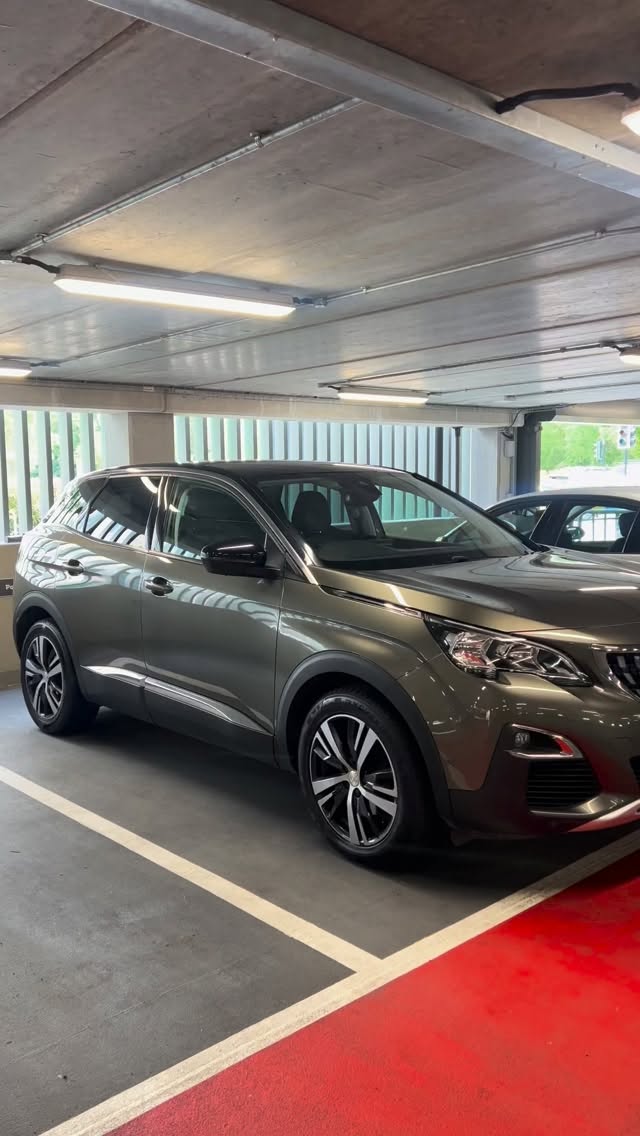
The 12V battery in an early Kia EV6 can go flat while the car sits parked, and the usual culprit is the Integrated Charging Control Unit — the very component meant to keep it charged. On Hyundai Motor Group’s E-GMP platform, a fault in that unit lets the low-voltage battery drain until the car won’t unlock, won’t start, and behaves as though it’s simply dead.
What is E-GMP and what is it good at?
E-GMP is the Electric-Global Modular Platform, Hyundai Motor Group’s first dedicated battery-electric architecture, launched under the Hyundai Ioniq 5 in 2021 and the Kia EV6 soon after. It also sits beneath the Ioniq 6 and the Genesis GV60. It runs at 800 volts, which is what gives those cars their rapid charging — the same pack that charges from 10% to 80% in well under half an hour also has to keep a humble 12V battery alive.
The platform is genuinely good at packaging: flat floor, long wheelbase, generous cabin room, and the kind of straight-line pace that made the EV6 a familiar sight on UK roads within a couple of years. But an 800V car still has to run ordinary 12-volt electrics — locks, screens, lights, computers — and it does that through one small component that has caused most of the platform’s trouble.
Why does the ICCU drain the 12V on this generation?
The Integrated Charging Control Unit combines two jobs in one box: it’s the onboard charger for AC charging, and it’s the DC-DC converter that steps the high-voltage pack down to charge the 12V battery and run the car’s low-voltage systems. While you drive, it keeps the 12V topped up. While the car sits, the 12V is supposed to hold its own — and the ICCU is supposed to step in and top it up when it starts to sag.
On early E-GMP cars the ICCU can develop a fault that stops it doing that job properly. The car sits, and the 12V discharges a little at a time, because the alarm, the connected services and the keyless system all draw a small current even when the car is off. Normally the ICCU would wake up and recharge the 12V from the big pack; when it can’t, the small battery drains to nothing. The high-voltage pack can be completely full — the car still won’t wake up. That’s the distinction people miss: the EV6 isn’t running out of range, it’s running out of the 12 volts that power everything else.
How does a failing ICCU show up?
The first sign is usually a car that won’t respond to the keyless entry, or a dead dashboard when you climb in. Owners describe a car that’s “flat” despite showing plenty of range. Watch for:
- Keyless entry stops responding, or the door handles don’t present.
- The dashboard stays dark when you get in, even though the app still shows charge.
- A 12V battery warning appears on the dash or in the app.
- The car needs a jump to wake up, then runs fine once it’s moving.
Sometimes there’s no warning at all — it simply won’t start one morning.
What does it cost if you leave it?
The immediate cost is a jump-start or a recovery call, then usually a replacement 12V battery, because a battery drained to nothing is often damaged for good. The underlying ICCU fault has been the subject of manufacturer service campaigns, so for affected cars the fix — typically a software update, or a replacement ICCU where one is needed — is normally handled under warranty. The cost you can’t claim back is the day the car won’t start, and for a used early EV6, the question is whether the update was ever done before you bought it.
What can you do yourself, this week?
Stay current with the software updates first. The ICCU fix has largely come through updated software that changes how the unit manages the 12V battery, and plenty of owners who had the drain report it hasn’t returned after the update. If the car hasn’t had its latest update, get it booked in — and if you’re buying a used early E-GMP car, ask whether it’s been done.
Then check the 12V battery’s actual health rather than waiting for it to fail. A battery drained flat once is already compromised, and a software fix won’t undo damage that’s already happened. If the 12V reads weak, replace it before it strands you — a battery is cheaper than a recovery call and a missed day. If the car is going to sit unused for weeks, that’s when a weakened 12V is most likely to die, so a quick health reading before a long lay-up is worth more than a jump-start after it. If you’d rather have someone else look it over, our mobile car valeting in Kingston upon Thames checks the battery as part of a normal service, and you can book a valet online across Surrey and Greater London.
What we look at on this generation during a service
The 12V battery is exactly the kind of thing a routine look-over catches early. We’ve had early E-GMP cars come through where the 12V read low after a few days parked up — the ones that sit on a Surrey drive or a London street between a weekday commute and the weekend trip, rather than being driven every day. It’s the same pattern we watch for when we valet cars in Guildford and across the region.
A 12V battery that’s quietly draining shows up as a low reading long before the car stops waking. That’s the point of the 20-point health check — catching it while it’s still a battery, not a breakdown.