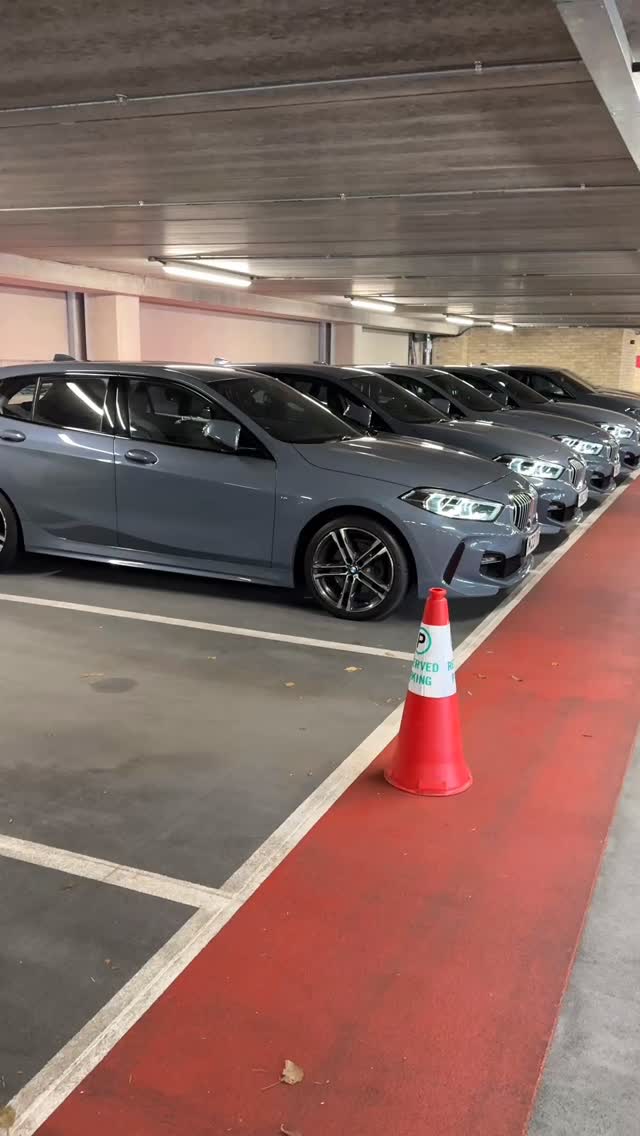
A Mercedes W205 C 300e parked for a week can refuse to wake even with a fully charged traction battery. The fault is the 12V auxiliary battery, which the DC-DC converter does not top up from the high-voltage pack while the car sits. On a pool car that only moves between bookings, that is a stranding, not a nuisance.
What is the Mercedes W205 C 300e, and why does it carry two batteries?
The W205 is the fourth-generation C-Class, and the C 300e is its plug-in hybrid — a petrol engine paired with a high-voltage traction battery and an electric motor. Unlike a purely combustion C-Class, it carries two batteries that do two different jobs:
- The high-voltage traction pack powers the electric motor and stores the plug-in charge.
- The 12V auxiliary battery runs the locks, alarm, keyless entry, telematics and the control modules that must power up before anything else can.
The second battery is the one that strands a parked car, because every driver watches the first and ignores the second. A driver plugs in on a Friday and sees “fully charged” on the dash, but that charge is the traction pack. The 12V side has been discharging the whole weekend.
Why does the 12V battery drain on the W205 C 300e?
The 12V auxiliary battery feeds the systems that never fully sleep: the keyless entry antenna listening for the fob, the alarm, remote telematics, and the modules waiting to wake the car. A healthy 12V battery rests around 12.6V and, as it drops toward 12.0V, the always-on systems are the first to give up.
The quirk specific to this generation is the DC-DC converter. On many hybrids and EVs, the DC-DC converter steps the high-voltage pack down to keep the 12V topped up. On the W205 C 300e, the converter does not maintain the 12V from the traction pack while the car is parked and switched off. A car left for a week gets no replenishment at all, even though the traction battery still holds plenty of charge.
Why doesn’t the DC-DC converter top up the 12V from the traction pack?
On the W205 C 300e the DC-DC converter only runs when the high-voltage system is active — while driving or charging. Switch the car off and the converter is off too, so nothing bridges the traction pack to the 12V side. The result is a hybrid that looks after only one of its two batteries when it is parked.
That is why the failure reads as counterintuitive: a car with a full plug-in charge and a dead 12V. The high-voltage system is safe and full; the low-voltage system that must boot first is flat. You cannot wake the electronics, so you cannot start the hybrid system, so you cannot move the car. Keyless entry goes silent, the instrument cluster stays dark, and the mechanical key opens a car that will not start.
How does this show up on a grey fleet or company car park?
Grey fleet — employee-owned cars used on company business — and pool cars share the same risk pattern: vehicles that sit between uses. A C 300e driven every day rarely shows the fault, because the converter recharges the 12V on every journey. A C 300e parked for a week between bookings, or over a holiday shutdown, is the one that strands a driver.
We’ve seen low 12V charge on C 300e pool cars that sit between weekly bookings across Surrey and south-west London — traction battery full, auxiliary battery flat enough to leave the keyless entry dead.
The first symptom is the keyless entry not responding, or the car unlocking on the mechanical key but showing no instrument cluster. A jump start or a 12V charge gets it moving again, but a battery that has been deep-discharged repeatedly loses capacity, and the interval between strandings shortens each time. A C 300e parked on a street in Weybridge or in an office car park in Kingston upon Thames drains at the same rate as one parked anywhere else — the variable is time, not postcode.
Does it show up on an MOT or a service record?
A flat or failing 12V battery is not an MOT item — the tester does not assess battery state of health, and a car that will not start does not reach the test lane. So the MOT record stays clean while the stranding risk quietly builds. The place it does surface is a condition inspection: MMCC’s 20-point check includes battery terminals in the Under Bonnet group, and the result is recorded per vehicle with urgent and advisory counts.
What does it cost a fleet when a pool car won’t wake?
The cost is rarely the battery — it is the vehicle off the road and the employee stood beside it. A pool car that will not start on a Monday morning means a recovery call, a delayed appointment, or an employee taking their own car and claiming mileage. For a fleet manager defending a budget, the repeated cost is downtime and the admin that follows.
Across a mixed pool, the pattern shows up in a manager dashboard rather than a drawer of paperwork. The Fleet Insight Platform aggregates each 20-point inspection by registration, so a battery-terminal advisory on a C 300e is recorded against that car’s history with urgent and advisory counts, ready to export as CSV.
How do you stop it: 12V health monitoring and regular use
Two controls, both cheap:
- Monitor the 12V. The Under Bonnet group of MMCC’s 20-point Vehicle Health Check includes battery terminals, and the report is delivered by email, WhatsApp and the portal on the day. It is included in the Fleet Plan, so a C 300e that shows a battery advisory in the 20-point check gets attention before it strands anyone.
- Use it regularly. A C 300e driven weekly recharges its 12V on every trip; the car that sits is the one that fails. Pool-car rota and booking discipline do as much for the battery as any maintenance schedule.
What we look at on a C 300e during a service
On a W205 C 300e we treat the 12V side as a first-class system, not an afterthought. The Under Bonnet group of the 20-point check records the battery terminals, and on a plug-in hybrid we note whether the car wakes cleanly on the key. It is an advisory inspection, not a diagnostic or a legal test — but a 12V that is failing to hold charge is exactly the pattern that surfaces weeks before the car refuses to wake.
A 20-point inspection during a service records the 12V battery terminals, so a C 300e that sits between uses is checked before it strands a driver. Fleet managers can map the pool cars most at risk through a Fleet Readiness Audit.