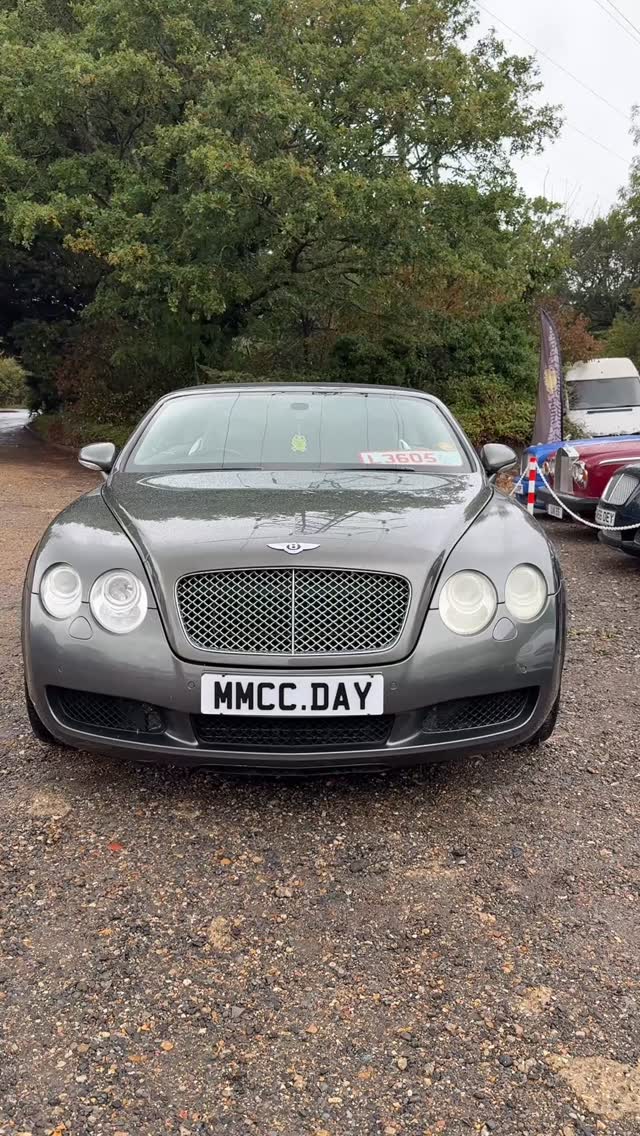
You don’t need a hosepipe or a bucket to keep your car spotless in Thames Ditton and Surbiton. Mobile waterless valeting does the whole job on your driveway or in your street, using a small amount of spray-on solution instead of running water, and it leaves a protected finish that keeps the car cleaner between visits.
How waterless valeting works
The system replaces rinsing with a spray-on pre-treatment that loosens dirt and encapsulates it, so it lifts away from the paintwork instead of being dragged across it. Each panel is sprayed, wiped with clean microfibre cloths, and dried in one pass, moving around the car methodically so no section is missed and no cloth face is used twice. The final step is a ceramic-grade protection buffed over the whole car, which leaves a slick surface that dust and water find harder to cling to.
The difference from a traditional wash is what doesn’t happen:
- No hosepipe, no buckets, no water run-off into the road or drains
- No need for water access, a driveway, or a drain nearby
- No soapy water pooling at the kerb after the job
- No waiting for the car to dry before you can drive it
Is waterless safe for the paintwork?
It’s the question most people ask first, and it’s fair. The risk in any wash isn’t the water — it’s grit being dragged over the clearcoat. Waterless valeting manages that with the pre-treatment, which lifts and surrounds the dirt particles, and with clean cloths folded to a fresh face as they pick up grime. Done properly, a panel is wiped once and never re-wiped with a used section of cloth.
The finish left behind is ceramic-grade protection, the kind that makes water bead and dirt sit on the surface rather than bond to it. That’s why a waterless-valeted car tends to look cleaner for longer than one washed with a sponge and hose, and why each visit gets easier than the last.
What a standard visit covers
Each visit is exterior and interior. Outside, the full bodywork is cleaned and finished with ceramic-grade protection, with the wheels and glass done properly rather than left as an afterthought. Inside, the cabin is vacuumed, the dashboard and trim wiped down, and the glass cleaned so the car feels as tidy inside as it looks outside. What you choose to add — a headlight restore or an ozone treatment for cabin smells — is up to you on the day.
Why water saving matters in KT7 and KT6
Thames Ditton and Surbiton sit on the Thames. In a dry summer, water is the thing households across the region are asked to use less of, and Thames Water has imposed hosepipe bans here before. A conventional wash uses water that then runs into the road gully, taking detergent and road grime with it.
Waterless valeting sidesteps that. The small amount of solution stays on the cloth, not in the drain, so keeping the car clean doesn’t add to the area’s water load at all. For a household trying to cut its water footprint, it’s one of the easier changes to make — and it doesn’t mean driving a dirty car.
A local service on a recurring schedule
Because we cover KT7 and KT6 regularly, the service works as a standing appointment rather than a one-off. You book once, and the car is valeted on a fortnightly or monthly rhythm at the same time, in the same place, by the same technician. It stays clean without the build-up that eventually makes a deeper clean necessary.
That familiarity is the useful part. The person who sees the same car each visit notices when a panel has picked up a scratch in a station car park, or when a tyre sits lower than it did last time. Recurring service is how small problems get caught before they become bills.
Built for how people here actually park
A lot of homes in Thames Ditton and Surbiton have on-street parking, and plenty of residents commute into London on Surbiton’s fast trains. A car that sits on the street or in a station car park picks up dust, tree sap and bird lime that a driveway wash can’t reach when there’s no driveway to wash on.
Because the service is waterless and mobile, it doesn’t need the car at home on a driveway — it needs a parking space. The same appointment works whether the car lives on the road outside a flat, in a station car park, or in a driveway off a KT7 side street.
The 20-point health check
Every valet includes a 20-point Vehicle Health Check. It covers the items that matter between MOTs — tyres, lights, wipers, fluid levels, bodywork — with each point marked OK, Advisory or Urgent, photos of anything flagged, and the report sent to you by email, WhatsApp and the customer portal the same day. A clean car is nice; a car someone has actually looked at is worth more.
For homes just outside the village, the same service runs through mobile car valeting in Kingston upon Thames, mobile car valeting in Esher, and East Molesey and the surrounding area.
Book a service in your area through Booking.